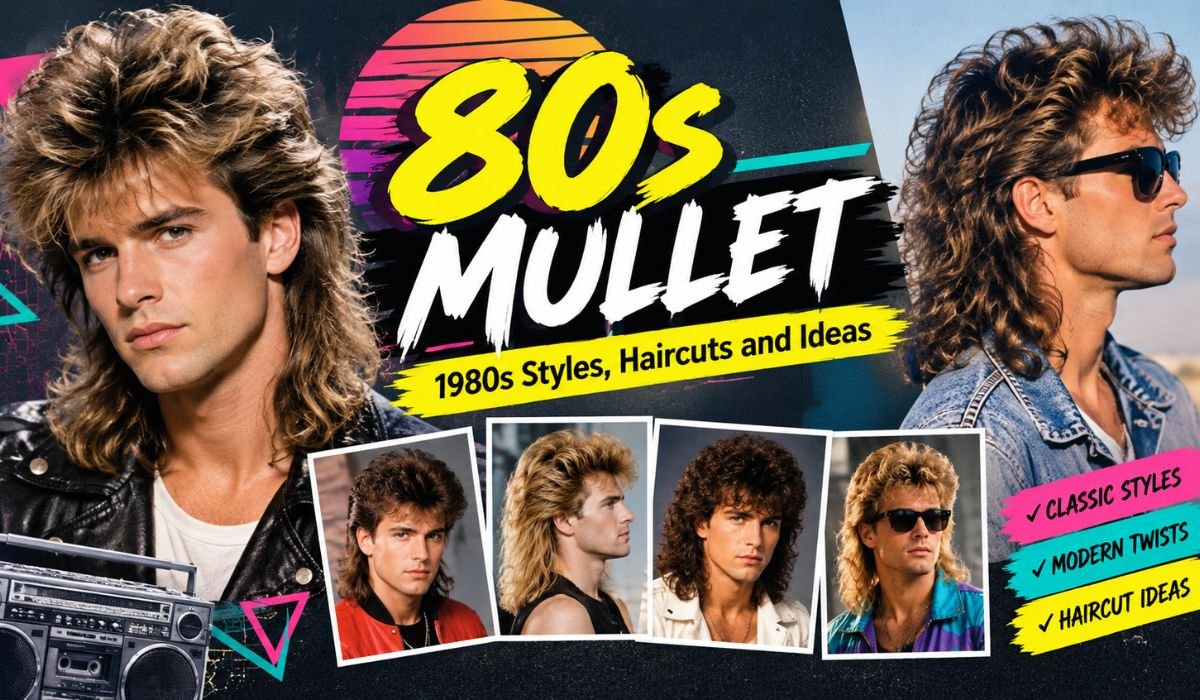
The mullet was everywhere in the 1980s. Rock stars wore it on stage, athletes wore it on the court, and actors wore it on screen. Now the cut is back, and plenty of men want the real retro look, not a watered-down version.
This guide explains what makes an 80s mullet haircut unique, shows the best styles, and gives clear steps for talking to your barber, styling at home, and keeping the shape. Every section is short and practical, so you can jump straight to what you need.
What Is an 80s Mullet?
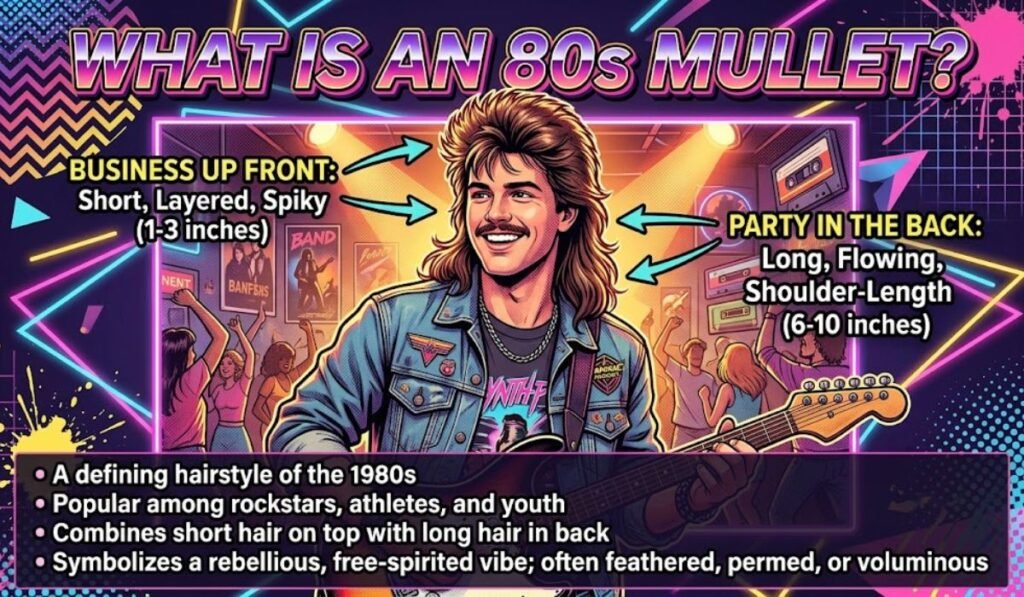
An 80s mullet haircut is a cut with short hair on the top and sides and long hair at the back. The old saying sums it up: business in the front, party in the back. The back usually reaches the nape of the neck and often sits on the shoulders.
What Made the 1980s Mullet Different?
The 1980s version was bigger, bolder and more styled than the mullets that came before or after it. An authentic 80s mullet haircut usually included:
- Lots of volume on top, lifted with a blow dryer and hairspray
- Feathered, layered sides instead of sharp fades
- A long, slightly wispy back
- Perms, waves or crimped texture on some versions
- Highlights or lighter tips on the more daring cuts
The 1970s mullet was shaggier and looser. The 1990s version was flatter and plainer. The 80s mullet was all about height, shape and attitude.
Why Was the Mullet Popular in the 1980s?
Several things pushed the mullet into the mainstream:
- Music. MTV launched in 1981, and rock, pop and country stars wore the cut in videos.
- Film and TV. Action heroes and sitcom stars made it look tough and relaxed at once.
- Sports. Hockey, soccer and tennis players loved the long back and short front, which stayed out of the eyes.
- Easy growing. Men could grow out a short cut without a full change of look.
- Rebellion. It broke the neat, clean-cut rules of earlier decades.
The trend was global. It was big in continental Europe, and Chinese rock musician Cui Jian helped make it popular with young men in China.
80s Mullet Hairstyles for Men
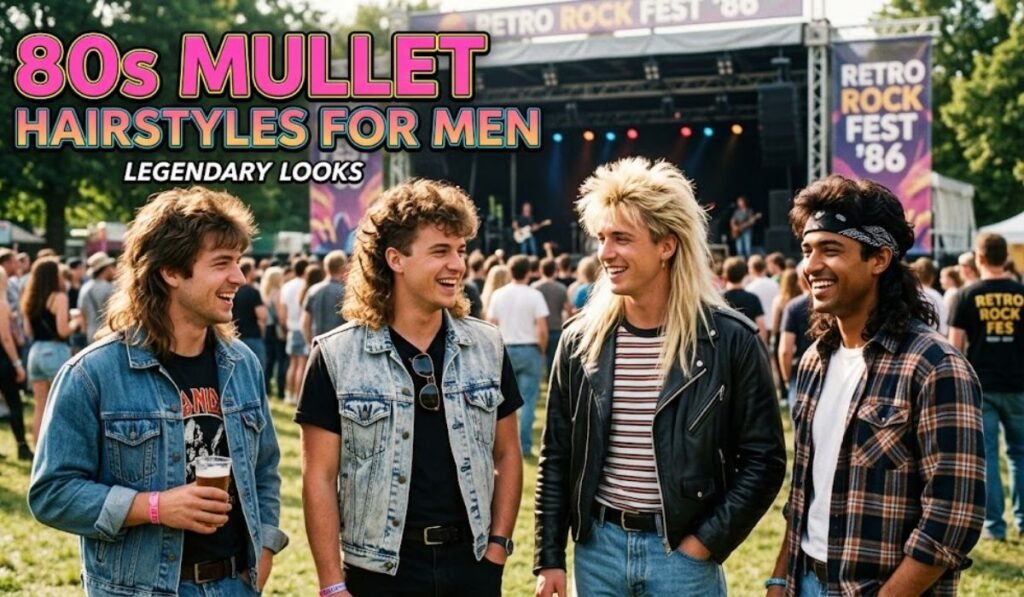
There is no single mullet. Here are the main 1980s variations and who they suit.
Classic 80s Mullet
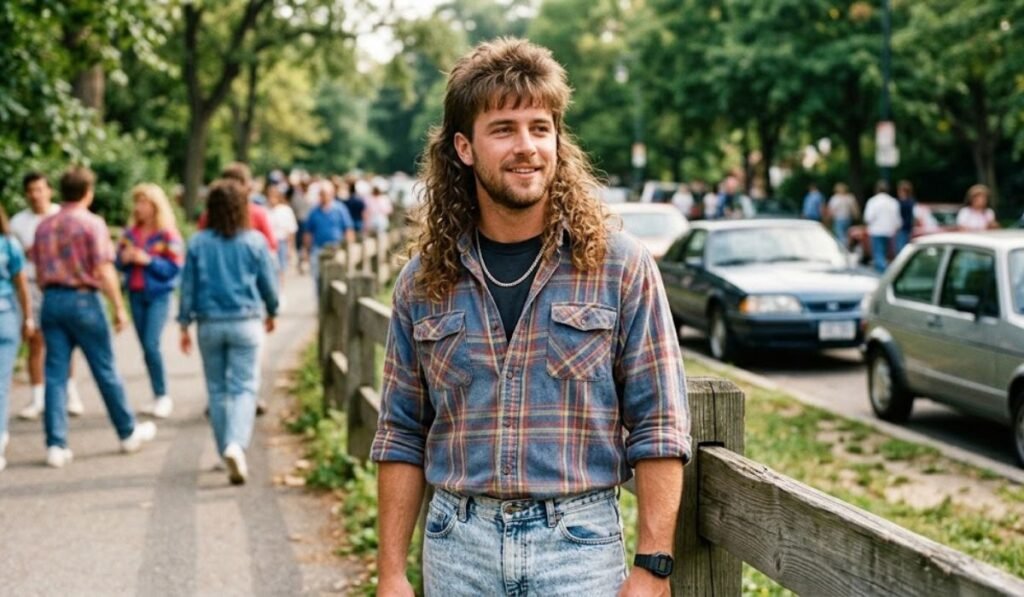
Short, feathered sides and top, with a long, straight back. It is the original and the easiest to ask for. Pair it with a side part or a light lift at the front.
80s Curly Mullet
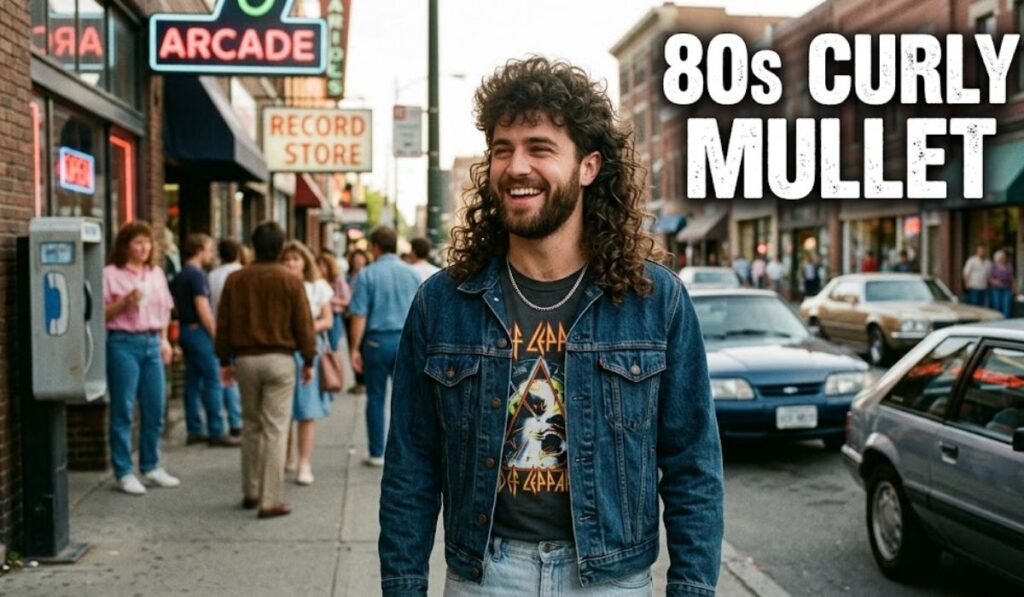
Natural curls or a perm give the top and back bounce. The shape stays the same, but the curls add width and movement. Keep the sides trimmed so the curls do not look heavy.
Shaggy 80s Mullet
Choppy layers all over create a messy, lived-in look. It works well for men who want a relaxed style with little daily effort.
Slicked-Back 80s Mullet

The top is combed back with gel or pomade to meet the long back section. The result is sharp and smooth. It suits formal outfits better than most mullets.
Spiky 80s Mullet
The top is cut short and pushed up into spikes with gel or wax, while the back stays long. This is the punk and new wave version, and it takes the most product.
Wavy 80s Mullet
Loose waves on top and through the back give a soft, flowing shape. Air-drying often works well for this look.
80s Mullet With Tapered Sides
The sides are gradually shortened toward the ears and neckline. This keeps the cut neat and works well for men who want a cleaner finish.
80s Mullet With a Mustache
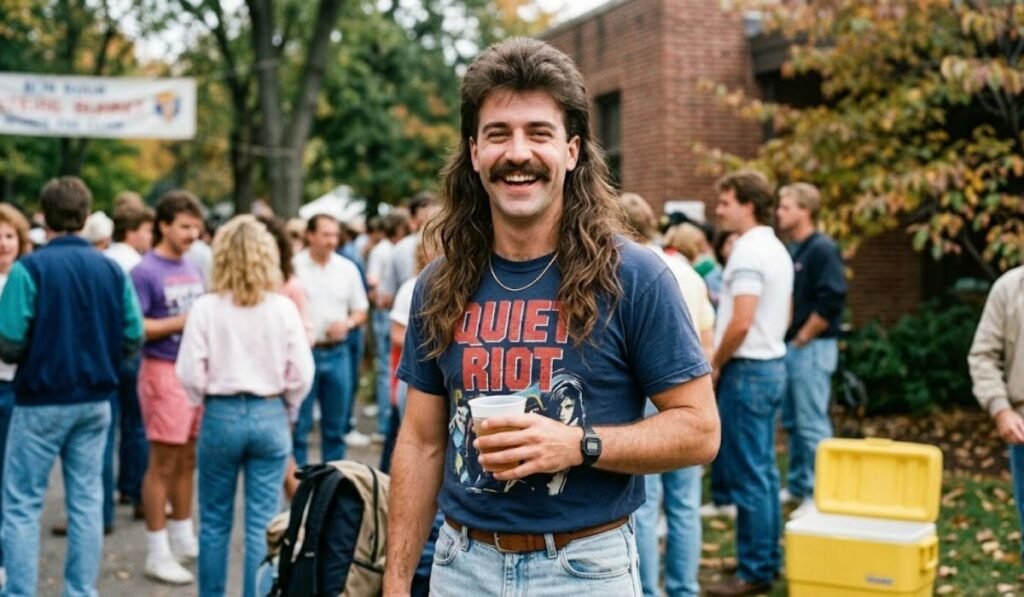
A full mustache was a signature pairing in the 80s. The two together create a strong retro look. Keep the mustache trimmed so it does not fight with the hair for attention.
Famous 80s Mullets
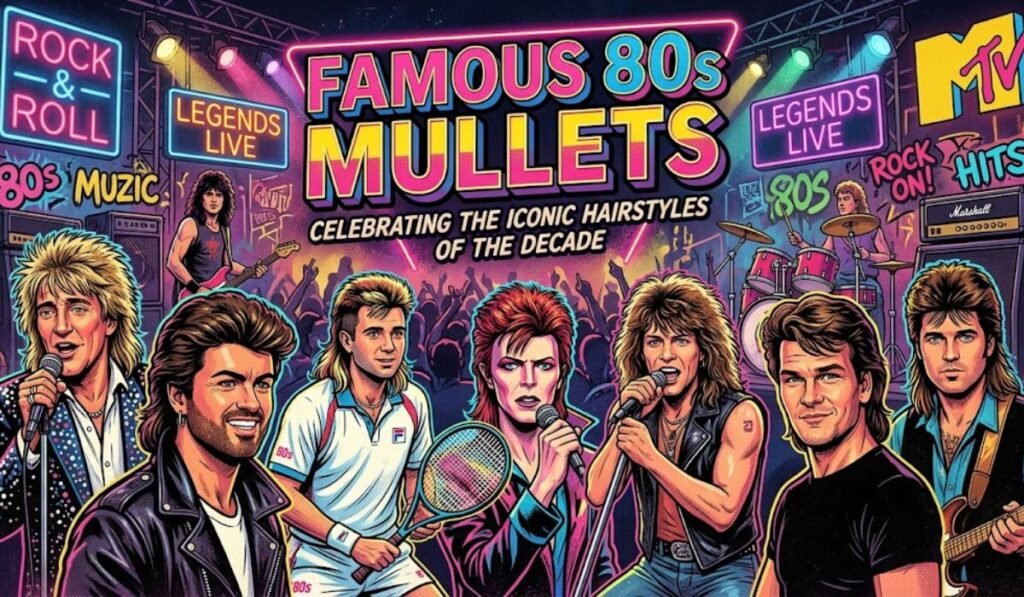
The best way to decide on a cut is to see how it looked on real people. These stars helped define the era.
Patrick Swayze
Patrick Swayze wore a layered, longer-in-the-back cut in his late-80s film roles, including Road House (1989). It showed that a mullet could look athletic and romantic, not just rowdy.
David Bowie
Bowie’s feathered, spiky red cut from the Ziggy Stardust period in the early 1970s is often cited as a mullet forerunner. In the mid-1980s, his teased, voluminous hair in Labyrinth (1986) pushed the idea even further.
Andre Agassi

The tennis star became known for a long, blond-streaked mullet in the late 80s and early 90s. It is a good example of how the cut can look sporty and bold.
Richard Marx
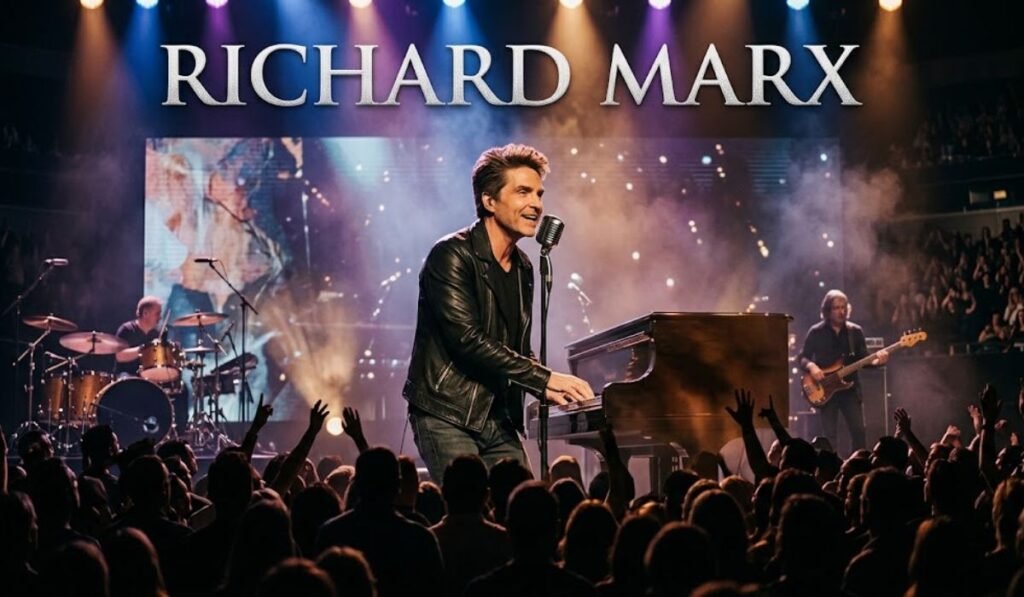
The singer wore a soft, full mullet through the late 80s, during his run of hit ballads. His look is a good model for a smooth, polished version.
Other Famous Mullet Examples
- Rod Stewart: a shaggy, spiky mullet that has lasted for decades
- Bono: a rock-style cut during U2’s early-80s rise
- MacGyver (Richard Dean Anderson): a clean, relaxed TV version
- Mel Gibson: a loose mullet in the late-80s action film Lethal Weapon.
Read Related Post: 35 Best Taper Fade Mohawk Haircut Styles for Every Hair Type
80s Mullet Hair Ideas for Different Hair Types
Your hair type decides how the cut sits, so choose the version that works with it.
| Hair Type | Best Mullet Style | Key Tip |
| Straight | Classic or slicked-back | Add layers for movement |
| Wavy | Shaggy or wavy | Let natural texture lead |
| Curly | Curly mullet | Keep sides short, back moist |
| Thick | Layered or tapered | Remove bulk so it does not puff out |
| Fine | Short layered or spiky | Use light products for lift |
Straight Hair
Straight hair shows off the clean lines of an 80s mullet haircut very well. Ask for light layering so the back does not look flat or stringy. A classic or slicked-back version is a natural fit.
Wavy Hair
Wavy hair gives you built-in texture. A shaggy or wavy mullet is easy to style because the hair does most of the work. Avoid cutting the waves too short, since they can spring up.
Curly Hair
Curls need room. Keep the sides tapered and let the top and back grow into a defined shape. Use a moisturizing product to prevent frizz in the long back section.
Thick Hair
Thick hair can look like a helmet if it is not thinned. Ask for texturizing to reduce weight, especially at the sides. This keeps the 80s mullet haircut from looking too wide.
Fine Hair
Fine hair needs shorter layers to look fuller. Keep the back long enough to read as a mullet, but avoid heavy products that weigh it down.
How to Ask Your Barber for an 80s Mullet
Photos work better than words when you ask for an 80s mullet haircut. Bring two or three clear pictures from the front, side and back. Say you want the 1980s version, not a modern fade-heavy mullet.
What to Tell Your Barber
Use this checklist:
- Top length: Medium and layered, enough to style up or back.
- Sides: Feathered or lightly tapered, not shaved.
- Back length: Say exactly where it should end, such as the collar or shoulders.
- Texture: Ask for soft layers, or a perm if you want curls.
- Neckline: Natural or slightly rounded, not square.
Also tell the barber how much time you want to spend styling. A good barber will adjust the layers to match your routine.
How to Style an 80s Mullet
Always start with towel-dried hair, then follow the steps for your hair type.
Styling Straight Hair
- Apply a small amount of mousse to damp hair.
- Blow-dry the top upward and back with a round brush.
- Smooth the back with a flat brush.
- Finish with a light mist of hair spray.
Styling Wavy Hair
- Work a styling cream through damp hair.
- Scrunch the waves upward, then air-dry or use a diffuser.
- Shape the front with your fingers.
Styling Curly Hair
- Apply curl cream to wet hair.
- Define curls by scrunching, not brushing.
- Diffuse on low heat, then leave the curls alone.
Creating More Volume
- Blow-dry the roots in the opposite direction from how the hair falls.
- Use mousse at the roots, not on the ends.
- Lift sections with a pick or comb after drying.
- Set the shape with a medium-hold spray.
How to Maintain an 80s Mullet
An 80s mullet haircut looks messy fast if the shape is lost. Wash and condition the long back section well, since it is the oldest hair on your head. Use a deep conditioner weekly. Avoid heavy heat on the ends, and protect them with a heat spray.
How Often Should You Trim an 80s Mullet?
Trim every 4 to 6 weeks. Tell the barber to clean the top and sides and only take a little off the back, since you want to keep that length.
80s Mullet vs Modern Mullet
The modern version is often cleaner and more edited. The 80s version is softer and bigger.
| Feature | 80s Mullet | Modern Mullet |
| Sides | Feathered, layered | Often faded or tapered |
| Volume | High | Moderate |
| Texture | Permed, teased, blow-dried | Natural or textured |
| Back | Long and smooth | Shorter, choppy |
| Styling | Mousse, spray | Cream, paste |
80s Mullet vs Other Mullet Styles
80s Mullet vs Shag Mullet

The shag mullet is messier and more layered all over. The 80s mullet haircut has a clearer split between a short front and a long back.
80s Mullet vs Modern Mullet

Modern mullets favor lower volume and sharper edges. An 80s mullet haircut goes for height and soft sides.
80s Mullet vs Wolf Cut
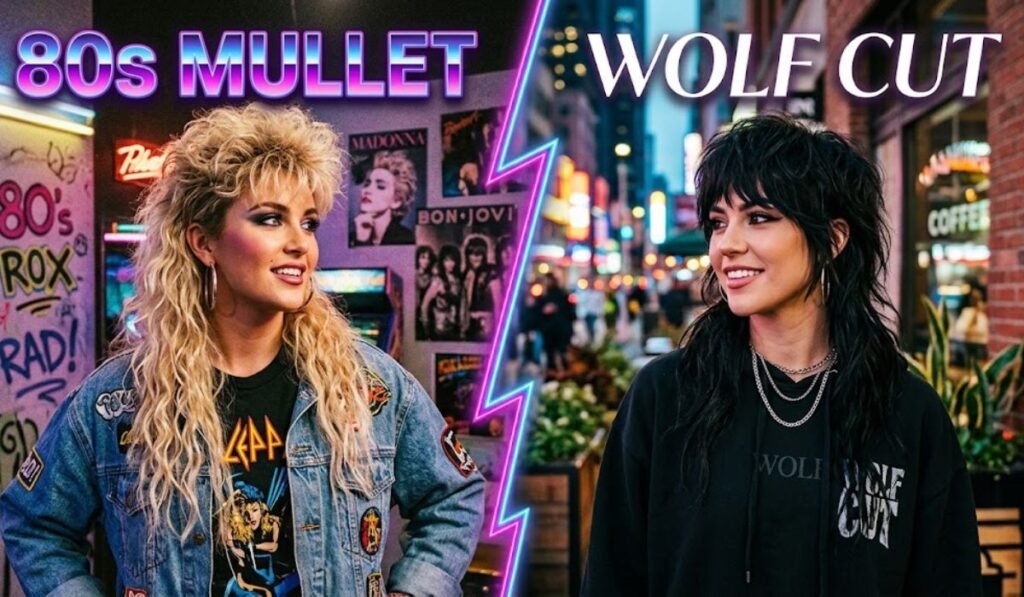
The wolf cut is heavily layered with thick, wild texture and a gradual length change. The 80s mullet has a more obvious step between front and back.
80s Mullet vs Burst Fade Mullet

The burst fade mullet fades the hair in a curved shape around the ears and leaves the back long. It is neater and more modern than the feathered 80s version.
Is the 80s Mullet Still Popular Today?
Yes. Social media has helped bring retro hair back, and barbers report steady interest in mullet styles. Many men now choose a softer, more wearable 80s mullet haircut instead of a full costume version. The cut also shows up on musicians and athletes again. It is a good time to try it.
Can Women Wear an 80s Mullet?
Absolutely. Women wore the 80s mullet haircut in the 80s too, and many people today choose a feminine take with soft layers, longer bangs and a shorter back. The same rules apply: choose a shape that matches your face and hair type.
Common Mistakes With an 80s Mullet
Making the Sides Too Short
Sides that are too short break the soft, feathered look. Keep them long enough to blend into the top.
Cutting the Back Too Short
If the back is cut too short, you lose the mullet shape. Say the exact length you want before the barber starts.
Removing Too Much Weight
Too much thinning leaves the ends see-through. Ask for light texturizing only.
Using Too Much Product
Heavy gel or wax makes the hair stiff and greasy. Start with a small amount and add more only if needed.
Forgetting About Hair Texture
A cut that ignores your natural waves or curls will never sit right. Pick a style that works with your texture.
How to Choose the Right 80s Mullet for You
Ask yourself these questions:
- What is my hair type? Match the style to your texture.
- What is my face shape? Round faces suit more height on top. Long faces suit more width at the sides.
- How much time do I have? Shaggy and wavy styles need less work than slicked-back or spiky ones.
- What is my workplace like? A tapered or slicked-back cut is easier to wear in a formal setting.
If you are unsure, start with the classic 80s mullet haircut and adjust at your next trim.
What Products Work for an 80s Mullet?
Choose products by the finish you want. Here is a quick guide:
| Product | Best For | Finish |
| Mousse | Volume and lift | Soft, airy |
| Styling cream | Waves and curls | Natural, flexible |
| Pomade | Slicked-back looks | Smooth, shiny |
| Hair spray | Holding the shape | Firm, lasting |
Mousse
Mousse adds volume at the roots and works well on fine or straight hair. Use a golf-ball-sized amount on damp hair.
Styling Cream
Styling cream controls frizz and defines waves or curls. It keeps hair soft rather than stiff.
Pomade
Pomade gives a smooth, polished hold and works best for the slicked-back version. Use a small amount and work it through evenly.
Hair Spray
Hair spray sets the final shape. A medium-hold spray lets the hair move while keeping its height.
Final Thoughts on the 80s Mullet
The mullet earned its place in hair history, and it is easy to see why it keeps coming back. Choose the right version for your hair type, give your barber clear instructions, and keep the shape with regular trims. With the right care, an 80s mullet haircut can look confident, current and a little bit fun.
FAQ’s
What is an 80s mullet haircut? It is a cut with short sides and top and a long back, usually with soft layers and plenty of volume.
How long does hair need to be for a mullet? You need about 4 to 6 inches on top and enough length at the back to reach at least the nape.
Is an 80s mullet haircut hard to style? No. Most versions take five to ten minutes with mousse and a blow dryer.
What products are best for an 80s mullet? Mousse for volume, cream for texture, pomade for slick styles and spray for hold.
How often should I trim my mullet? Every 4 to 6 weeks to keep the shape clean.
Can curly hair have an 80s mullet? Yes. Keep the sides tapered and the top and back moisturized.
What is the difference between a mullet and a wolf cut? A mullet has a clear short-front, long-back split, while a wolf cut blends layers more gradually.
Is the 80s mullet still in style?
Yes, especially in softer, more wearable versions.
Conclusion
The 80s mullet is one of the most recognizable hairstyles ever made, and it works for many hair types when cut with care. Pick a style you like, bring clear photos to your barber, and use simple products to keep it looking good. A well-done 80s mullet haircut is a strong way to stand out.

Alex is a passionate hairstyle enthusiast and the creator of WowFades. He loves exploring modern haircuts, stylish hairstyles, and fresh fade trends, sharing practical inspiration to help readers discover new looks and feel confident about their personal style.



1 thought on “80s Mullet | 1980s Styles, Haircuts and Ideas”