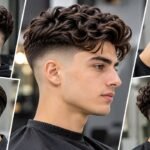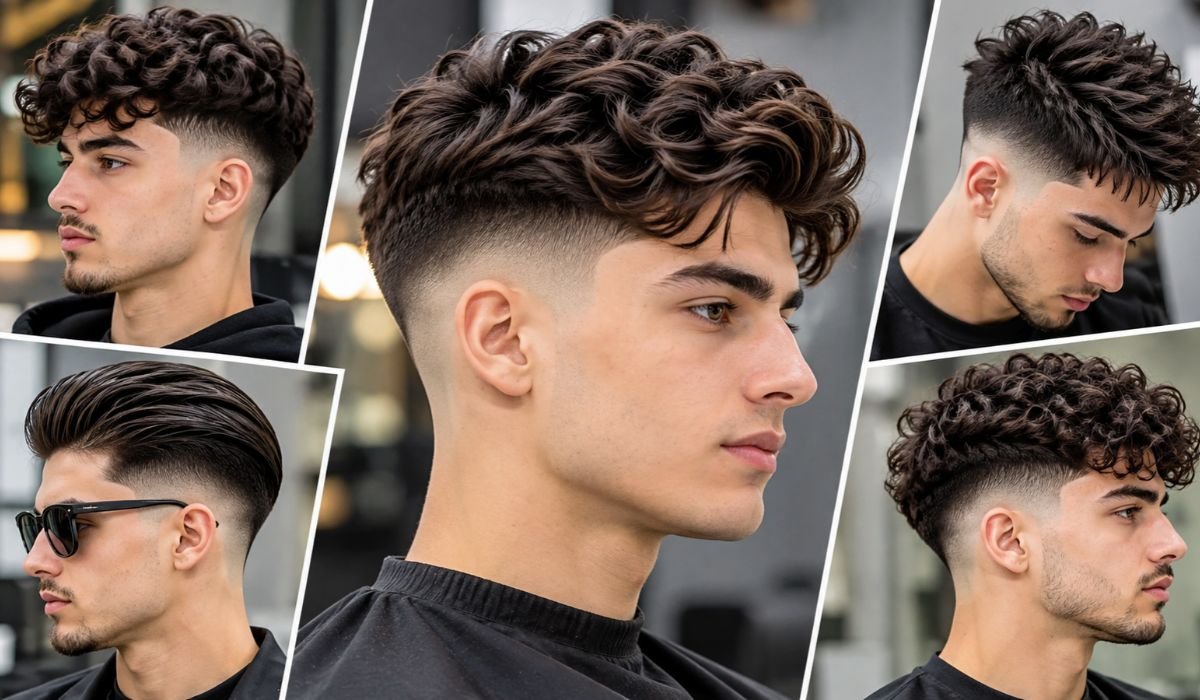
A fresh haircut can completely change your appearance, and choosing the right fade makes a big difference. The High Taper Fade is a popular men’s haircut because it combines clean edges, noticeable contrast, and plenty of styling options. It keeps the sides and back neat while allowing the hair on top to maintain its natural length, texture, and volume.
Whether you prefer a textured fringe, quiff, pompadour, or short crop, this haircut can complement different hair types and personal styles. However, understanding the difference between high, mid, and low tapers is important before visiting your barber.
In this guide, you will discover what makes this haircut different, how it compares with other taper styles, which variations are worth considering, and exactly what to tell your barber. You will also learn how to maintain your haircut and choose a finish that matches your preferences.
What Makes a High Taper Fade Different?
A High Taper Fade is a haircut in which the hair gradually becomes shorter around the temples, sideburns, and neckline, with the taper positioned higher than a traditional low taper.
The higher placement creates more definition around the upper sides of the head. Unlike a conventional high fade, which generally removes more hair across the entire side and back, a high taper focuses mainly on specific areas around the edges.
This distinction makes it a versatile choice for people who want a noticeable haircut without removing too much hair from the sides.
Its main characteristics include:
- Higher placement: The blending begins around or above the temple area.
- Clean sideburns: Hair gradually becomes shorter around the sideburns.
- Neat neckline: The back receives a controlled, tapered finish.
- Top flexibility: You can keep the top short, medium, curly, or long.
- Defined contrast: The difference between the top and sides creates a sharper appearance.
A high taper fade haircut can be customized with different clipper guards and blending techniques. Your barber can also adjust the amount of hair removed to achieve a softer or more dramatic result.
High Taper vs Mid Taper vs High Fade
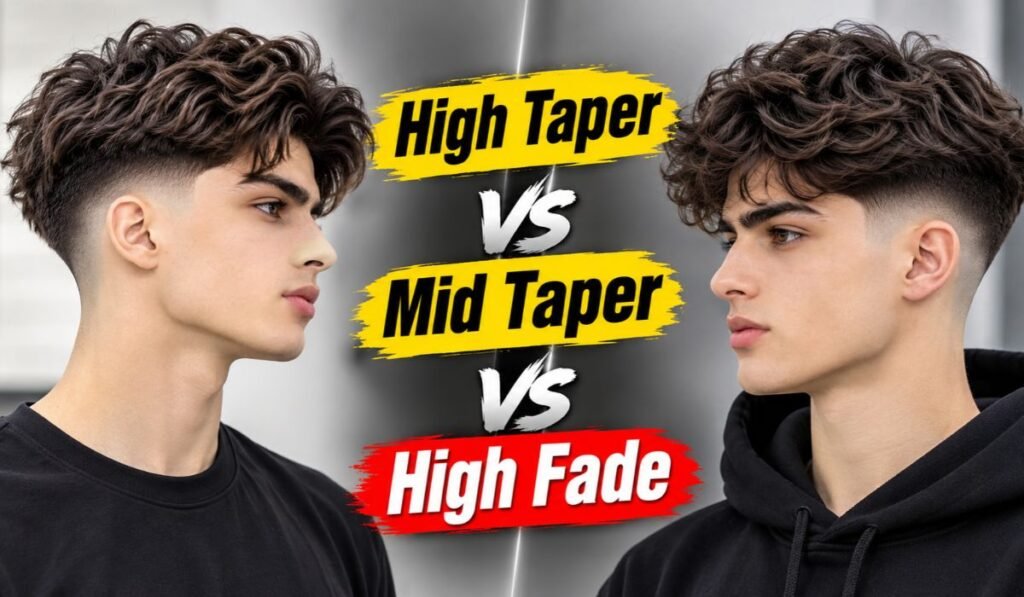
Although these haircuts sound similar, their placement and coverage create different appearances.
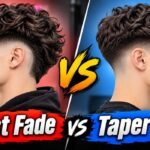
A high taper sits higher around the temples, while a mid taper begins closer to the middle of the sides. A high fade generally covers a wider area and creates a more noticeable reduction in hair length.
Understanding these differences helps you avoid getting a haircut that looks completely different from your reference picture.
Compare Your Preferences First
Before choosing between these options, consider how much contrast you want and how much natural hair you prefer to keep on the sides.
| Haircut | Blend placement | Appearance | Best for |
| High taper | Around or above temples | Sharp and defined | Bold, modern styles |
| Mid taper | Around temple level | Balanced and clean | Everyday versatility |
| High fade | Higher across the sides | Dramatic and noticeable | Strong contrast |
The main difference is coverage. A taper concentrates the shorter blending around the edges, whereas a conventional fade generally extends farther across the sides and back.
If you want a clean appearance without removing too much side hair, a high taper is worth considering. If you prefer maximum contrast, a high fade may be a better option.
Low Taper vs High Taper
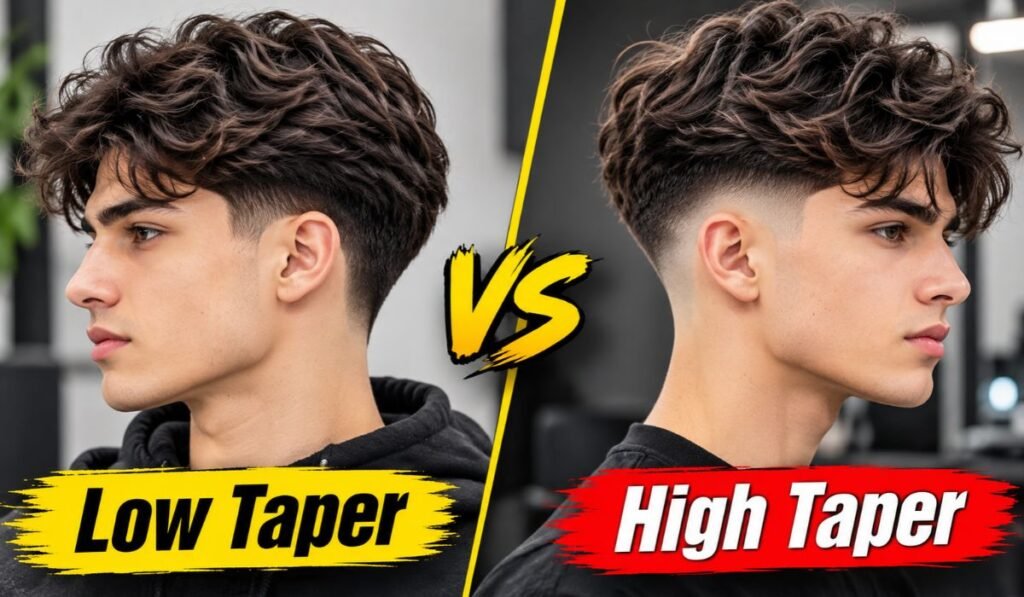
A low taper and high taper use similar blending techniques, but their starting positions create different results.
A low taper begins close to the ears and natural neckline. It preserves more hair around the sides, producing a subtle and understated appearance.
A high taper starts higher around the temples. It removes more side bulk and creates a sharper outline that makes the top stand out.
Here is how they compare:
| Feature | Low taper | High taper |
| Starting point | Near the ears | Around the upper temples |
| Contrast | Subtle | Stronger |
| Side coverage | More hair retained | Less hair retained |
| Appearance | Natural and classic | Modern and defined |
| Maintenance | Generally easier | Needs regular detailing |
| Best styles | Classic cuts and curls | Crops, quiffs and textured tops |
Choose a low taper if you prefer a conservative haircut that grows out softly. Choose a high taper if you want a more noticeable shape and cleaner upper-side definition.
Read Related Post: Burst Fade vs Taper Fade: Differences, Maintenance & Which to Choose
Low vs Mid vs High Taper: Side by Side
The three main taper heights provide different levels of contrast. Your choice should depend on your preferred appearance, hair density, and maintenance routine.
| Comparison | Low taper | Mid taper | High taper |
| Blend position | Near hairline | Middle sides | Higher temples |
| Contrast | Low | Medium | High |
| Side length | Most retained | Moderately retained | Less retained |
| Overall look | Subtle | Balanced | Bold |
| Upkeep | Less frequent | Moderate | More frequent |
These positions are general guidelines rather than exact measurements. Every person’s head shape and natural hairline are different, so the same taper height can look slightly different from one person to another.
If you are trying a taper for the first time, a mid taper is a reasonable starting point. However, if you already know that you prefer sharp contrast, the high option offers a more defined finish.
Who Suits a High Taper Fade?
A High Taper Fade can work with several face shapes and hair types, but the final result depends on how your barber balances the sides with the hair on top.
People with round faces may benefit from additional height and volume on top because these features can create a more elongated appearance. Those with oval faces have considerable flexibility and can experiment with different lengths and textures.
For square faces, a textured or slightly longer top can balance strong facial angles. People with longer or oblong faces may prefer less height on top to avoid making their face appear even longer.
Consider these general recommendations:
- Round face: Try a textured fringe or controlled quiff without excessive height.
- Oval face: Experiment with crops, side parts, pompadours, and curls.
- Square face: Consider a textured top or natural side part.
- Oblong face: Keep moderate volume and avoid excessive vertical styling.
- Heart-shaped face: A balanced fringe or medium-length textured top can complement the forehead and jawline.
Hair texture also matters. Straight hair creates clean transitions, while curly and coily hair can produce more visible contrast between the sides and top.
Side and Rear Views Matter
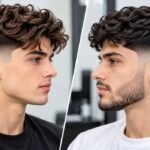
Many people choose a haircut by looking only at its front appearance. However, the side and rear views are equally important when selecting a taper.
The side view shows how the blend connects with the temples, sideburns, and upper hair. It also helps you see whether the barber has removed too much bulk around the sides.
The rear view reveals how the neckline transitions into the natural hair growth. A properly blended back should look clean without creating an unwanted hard line.
Before your appointment, check reference photographs from three angles:
- Front view: Shows the hairline, fringe, and overall balance.
- Side view: Shows the taper height and blending around the temple.
- Rear view: Shows the neckline and how the haircut connects at the back.
These photographs give your barber a clearer understanding of the result you want.
High Taper Fade Finishes: Shadow, Zero or Skin
The finish determines how short the hair becomes at the bottom of the taper. It is separate from the height of the blend, meaning you can choose a high taper with different finishing techniques.
Shadow finish: A shadow taper leaves a small amount of visible hair near the shortest area. It creates a softer transition and avoids excessive scalp exposure.
Zero finish: A zero taper uses a very short clipper setting, generally without completely shaving the area with a razor. It creates a cleaner and more noticeable edge.
Skin finish: A skin taper blends the lowest section down to bare skin. It creates maximum sharpness around the sideburns and neckline.
| Finish | Result | Appearance |
| Shadow | Slight hair remains | Soft and natural |
| Zero | Very short hair | Clean and sharp |
| Skin | Bare skin at the bottom | Bold and defined |
Terminology varies between barbers. Some use the word taper for a localized blend that can finish at skin, while others reserve it for a finish that retains some hair. Always explain the exact result you want rather than relying on the name alone.
5 High Taper Fade Styles to Consider
The best thing about this haircut is its flexibility. You can combine the same taper placement with several hairstyles, depending on your preferred length and texture.
Here are five popular options worth discussing with your barber.
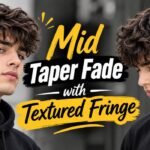
High Taper With a Textured Fringe
A textured fringe combines short, defined sides with a forward-styled top. The hair falls naturally toward the forehead, creating movement and a slightly messy appearance.
This style works particularly well with straight and wavy hair. A small amount of matte clay or texturizing powder can help separate the strands without making them look greasy.
Ask your barber to keep enough length at the front so the fringe can fall naturally. Avoid cutting the top too short if you want a visible textured effect.
High Taper With a Quiff
A quiff features hair lifted at the front and styled backward or slightly upward. Pairing it with a high taper creates a noticeable difference between the voluminous top and cleaner sides.
This combination suits people who enjoy a polished but modern appearance. It can work with straight, wavy, and moderately thick hair.
To style it, apply a small amount of volumizing product to damp hair. Use a blow dryer and brush to lift the front before finishing with a lightweight styling product.
High Taper With a Pompadour
The pompadour is a classic men’s hairstyle that focuses on height and volume at the front. The hair is brushed upward and backward, creating a smooth, structured shape.
Combining this style with a High Taper Fade gives the haircut a contemporary appearance while keeping the upper section full.
It works best with medium-length hair and enough density to maintain volume. Use a blow dryer, round brush, and medium-hold pomade to create the desired shape.
If you have fine hair, avoid heavy products that can make the top look flat.
High Taper With a Short Crop
A short crop is an excellent option for people who prefer easy styling and minimal maintenance.
The top is cut relatively short, with texture added through scissors or point-cutting techniques. A short fringe can also be included for additional definition.
This combination creates a clean silhouette without requiring much daily effort. It works particularly well with straight, thick, and wavy hair.
A small amount of matte styling paste is usually enough to maintain the texture.
High Taper With a Side Part
The side part combines a defined separation with neatly styled hair. It creates a professional appearance that works for casual and formal occasions.
Your barber can create a natural part using scissors and a comb or add a subtle hard part for stronger definition.
The top can be kept short or medium-length depending on your preference. Use a lightweight pomade or styling cream to hold the hair in place without making it stiff.
High Taper With a Slick Back
Although the five main options above cover the most versatile looks, a slick back is another excellent choice.
The hair is brushed away from the forehead and directed toward the back. This creates a clean, controlled appearance that contrasts nicely with the tapered edges.
Medium-length hair usually works best. Apply styling cream or pomade and use a comb to guide the hair backward.
More High Taper Fade Styles
Beyond the main options, several variations offer different looks for people with specific preferences.
High Taper Buzz Cut
A buzz cut keeps the hair short and relatively even across the top. The tapered temples and neckline add definition without requiring a complicated styling routine.
It is a practical choice for people who want a low-maintenance haircut. You can choose different clipper guard lengths depending on how much hair you want to retain.
High Taper Mullet
A mullet keeps the hair shorter around the front and sides while leaving additional length at the back.
Adding a high taper creates cleaner edges around the temples and gives the hairstyle a more modern appearance.
This combination is particularly suitable for people who enjoy textured, edgy, or alternative hairstyles. Ask your barber to preserve the back length while blending the temples carefully.
High Taper With Long Hair
You do not need short hair on top to enjoy a taper. Longer hair can be paired with neatly blended sides to create a strong contrast.
You can wear the top loose, swept backward, tied into a small bun, or styled with natural waves.
This option works especially well when you want to maintain your existing length while making the haircut look more structured.
High Taper With a Beard
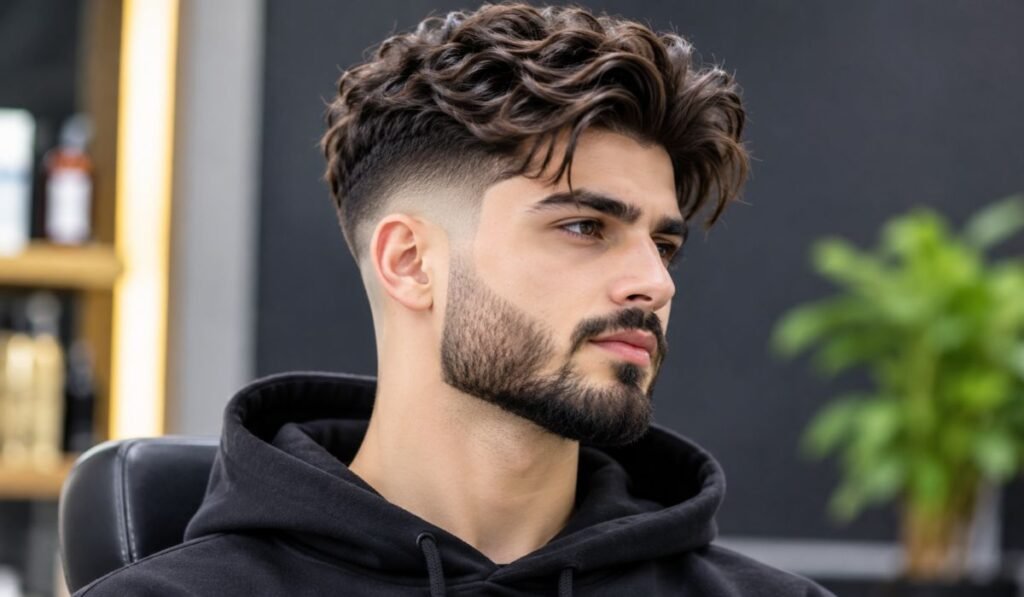
A beard can make the overall haircut look more balanced. The barber can connect the sideburn area with the beard through a gradual blend.
This creates a cleaner transition between the hairstyle and facial hair.
For a natural appearance, ask for the beard to retain its preferred length while the sideburns receive a controlled blend. A beard line-up can also improve the overall finish.
How Texture and Density Change the Result
Your natural hair texture and density influence how the final haircut looks. The same taper placement will not produce identical results on every person.
Straight hair: Straight hair makes the blending lines easier to see. Textured crops, quiffs, side parts, and slick backs are suitable options.
Wavy hair: Natural waves add movement and volume. Keeping some length on top helps preserve the hair’s natural pattern.
Curly hair: Curly hair creates a distinctive contrast against shorter sides. A textured top or curly fringe can highlight the natural curl pattern.
Coily hair: Coily hair works particularly well with defined shapes, short crops, and natural textured tops. Your barber should consider the natural shrinkage of the hair when choosing the top length.
Thick hair: A high taper can remove excess bulk around the upper sides, making thick hair easier to manage.
Fine hair: Avoid removing too much hair from the top. A shorter textured style can create the appearance of additional volume.
The goal is to choose a taper that complements your natural hair instead of fighting against it.
Exact Barber Request
One of the easiest ways to get the wrong haircut is to describe it using only a name. Different barbers may interpret the same term differently.
Instead, explain the placement, length, finish, and top styling you want.
You can use this simple barber instruction:
I want a high taper around the temples, sideburns, and neckline. Keep the blend clean and gradual, but do not turn it into a full high fade across the sides. Leave enough length on top for my preferred hairstyle. I want a natural connection between the top and sides, with a neat neckline.
You should also discuss these details:
- Taper height: Show where you want the blend to begin.
- Clipper length: Explain how short you want the bottom section.
- Top length: Tell your barber how much length to preserve.
- Hairline: Decide whether you prefer a natural or sharp line-up.
- Neckline: Choose a tapered, rounded, or squared finish.
- Reference photographs: Show front, side, and rear examples.
If you want a taper high fade appearance, make sure your barber understands whether you want a localized taper or a full high fade. These are not necessarily the same haircut.
The spelling hightaper may also appear in online searches, but when speaking to your barber, use a photograph and describe the blend placement for greater accuracy.
Maintenance and Grow-Out
A fresh taper looks its sharpest during the first few days after a haircut. As the hair grows, the clean edges gradually become softer.
A High Taper Fade generally requires more frequent touch-ups than a low taper because the contrast and upper-side definition become noticeable as the hair grows.
Here are some practical maintenance tips:
- Every 2–3 weeks: Consider a trim if you want to maintain sharp edges.
- Use suitable products: Choose styling cream, matte clay, or pomade according to your hairstyle.
- Wash regularly: Use a suitable shampoo and conditioner for your hair type.
- Protect your texture: Avoid excessive heat when styling curly or wavy hair.
- Maintain the neckline: Keep the back neat without repeatedly shaving too high into the taper.
- Communicate with your barber: Keep the same reference photographs if you want consistent results.
Your personal growth rate, hair density, and preferred finish will determine how often you need an appointment.
If you prefer a softer appearance, allow the taper to grow naturally between visits. If you want a freshly cut look throughout the month, regular edge maintenance will help.
FAQ’s
1. What is a high taper fade?
It is a haircut that gradually shortens the hair around the temples, sideburns, and neckline, with the blending positioned higher than a traditional low taper.
2. Is a high taper better than a low taper?
Neither is universally better. A high taper offers stronger contrast, while a low taper provides a softer, more natural appearance.
3. Does a high taper fade suit curly hair?
Yes. It creates a clean contrast between shorter sides and naturally textured curls on top.
4. How long does a high taper fade last?
The haircut generally looks sharp for around two to three weeks, although hair growth and personal preferences affect its appearance.
5. What is the difference between a high taper and a high fade?
A high taper usually focuses on the temples, sideburns, and neckline, while a high fade generally extends the blending across a larger portion of the sides and back.
6. Can I get a high taper with long hair?
Yes. You can keep long hair on top and use a high taper to create cleaner edges around the temples and neckline.
7. Which hairstyle looks best with a high taper?
Textured fringes, quiffs, pompadours, short crops, and side parts are popular combinations. The best option depends on your hair type and preferred appearance.
8. Is a high taper fade suitable for round faces?
Yes. Pairing it with moderate height and texture on top can help create a more balanced, elongated appearance.
9. Can I combine a high taper with a beard?
Yes. Your barber can blend the sideburns into the beard to create a smooth and connected appearance.
10. Is a high taper fade difficult to maintain?
No. Regular trimming and suitable styling products are generally enough to keep it looking clean and well-shaped.
Conclusion
The High Taper Fade is a versatile men’s haircut that combines defined edges, clean blending, and flexible styling options. From textured fringes and quiffs to pompadours, short crops, and mullets, it can complement different hair types and personal preferences. The most important decision is choosing the right taper height, finish, and top length. Consider your face shape, natural hair texture, and maintenance routine before making your choice.
Most importantly, communicate clearly with your barber and bring reference photographs from multiple angles. With the right combination, you can achieve a clean, balanced haircut that suits your everyday style.

Alex is a passionate hairstyle enthusiast and the creator of WowFades. He loves exploring modern haircuts, stylish hairstyles, and fresh fade trends, sharing practical inspiration to help readers discover new looks and feel confident about their personal style.